
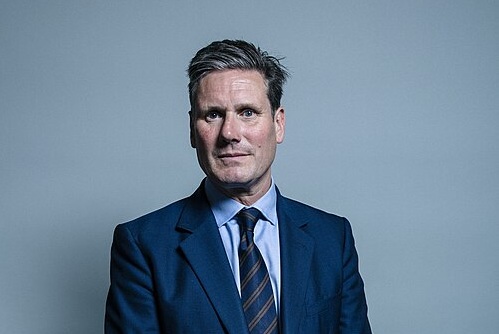
Prime Minister Keir Starmer is setting out a comprehensive roadmap for Britain’s economic future, aiming to move beyond the immediate fallout of the recent budget. In a bid to regain control of the narrative, Starmer is championing a strategy built on deregulation, closer cooperation with Europe, and significant changes to the welfare state. He frames these moves as essential components of a “mission to renew our economy,” distinct from the grievance politics he attributes to his opponents.
The upcoming reforms signal a tougher stance on government spending and efficiency. Starmer has tasked Business Secretary Peter Kyle with cutting red tape to accelerate large infrastructure projects. Simultaneously, he is revisiting welfare policies that sparked internal party rebellion over the summer. The focus is on ensuring that the benefits system does not write off disabled or neurodivergent individuals, but rather supports them in entering the workforce.
This policy push serves as a shield for Chancellor Rachel Reeves, who faces intense scrutiny over £26bn in tax rises. Starmer argues that these hard choices are the foundation upon which future growth will be built. He explicitly rejects the “broken status quo” of the previous administration, noting that under the Tories, the welfare bill ballooned by £88bn without improving outcomes for the vulnerable.
However, the path to renewal is fraught with political obstacles. The Opposition has seized on discrepancies between the Chancellor’s pre-budget warnings and the eventual economic forecasts, accusing the government of manufacturing a crisis to raise taxes. Kemi Badenoch, the Tory leader, has called the Chancellor’s credibility into question, overshadowing Labour’s attempts to highlight cost-of-living measures like the removal of green levies.
Ultimately, Starmer is asking the public to trust in a “serious government” willing to do unpopular things for the greater good. He asserts that turning on the spending taps or reverting to austerity would only lead to further national decline. By aiming for a judgment day at the end of the parliament rather than now, the Prime Minister is betting that his structural reforms will eventually outweigh the current pain of tax increases.