
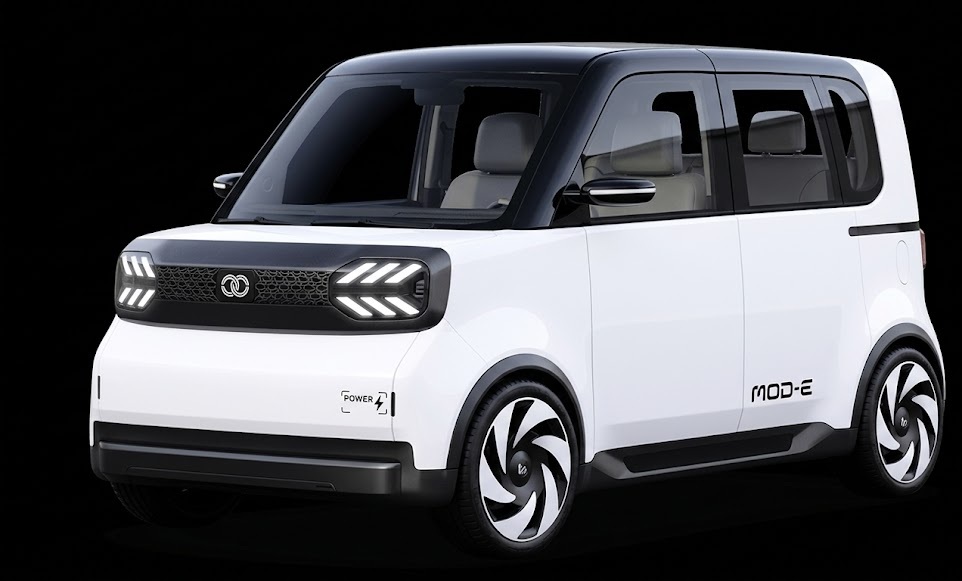
In a strategic move to tap into Japan’s burgeoning electric vehicle market, a consortium of Japanese automotive companies and China’s Chery Automobile has unveiled a new electric vehicle brand, EMTA. The brand’s first model is set to hit the roads in 2027, focusing on the compact kei car segment, which is a significant part of Japan’s automotive landscape. Based in Yokohama, EMT Co. is spearheading this initiative, which aims to cater to one of Japan’s most crucial vehicle categories with an electric alternative.
The collaboration includes noted Japanese firms such as Autobacs Seven and Anest Iwata, in addition to Chery Automobile and a battery manufacturer, leveraging their combined expertise to make a mark in the electric mobility sector. The kei cars, known for their efficiency in short-distance travel, present a promising entry point for electric vehicles, particularly as they constitute over a third of new vehicle sales in the country. EMT plans to design and manufacture these vehicles in China, while ensuring they are equipped with state-of-the-art digital features like wireless software updates, smartphone integration, and automated driving support, tailored for Japanese consumers.
EMT is also considering utilizing selected Autobacs stores as potential sales outlets to streamline distribution. Beyond the initial launch, the company has ambitious plans to introduce three more electric vehicle models by 2029. Future expansions could see manufacturing shift to Japan and potentially extend to international markets, reflecting a broader vision for global competitiveness.
The announcement comes amidst a competitive surge in Japan’s kei EV market. Chinese automaker BYD is gearing up to introduce its Racco kei EV specifically for the Japanese market. Meanwhile, Nissan Motor has widened its Sakura lineup with a more budget-friendly variant. Suzuki Motor is also on track to launch a kei EV within the current fiscal year, and Honda Motor is working on an electric iteration of its popular N-Box, slated for a 2028 release.
This influx of new entrants underscores a growing momentum among automakers vying for the attention of cost-conscious urban drivers in Japan. The rising interest in electric kei cars signals a shift towards more environmentally friendly transportation options in one of the world’s most densely populated markets.