
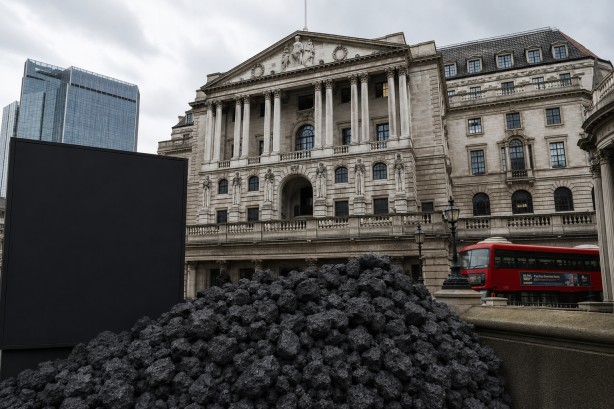
In a noteworthy development aimed at mitigating climate-related financial risks, the Bank of England declared it will cease accepting bonds tied to thermal coal companies as collateral in its lending operations starting in October. This decision represents a pivotal move towards addressing environmental concerns within the financial sector.
The use of bonds as collateral is a common practice among commercial banks, including major lenders, to secure loans from the central bank for routine operations and transaction settlements. The new policy specifically targets bonds associated with thermal coal, a primary fossil fuel for electricity production, deeming them ineligible for this purpose.
The Bank of England highlighted that companies involved in the thermal coal industry are increasingly vulnerable to financial threats, as the global shift towards cleaner energy and net-zero emissions gains momentum. Consequently, assets linked to coal may depreciate over time, posing risks to financial stability.
In addition, the central bank’s strategy includes the option to apply discounts to bonds from other sectors that are exposed to climate risks, as a means to safeguard its balance sheet from potential losses. This approach has been praised by environmental groups, who view it as a powerful message to financial markets. It is anticipated to encourage commercial banks to divest from industries with high pollution levels. Already, over 150 major financial institutions globally have imposed limitations on business activities associated with the thermal coal sector.
Experts emphasize that the success of this policy will largely depend on the criteria used to assess climate risks and the potential expansion of similar measures to other environmentally detrimental activities in the future. The Bank of England’s initiative demonstrates a significant commitment to integrating climate considerations into financial operations, setting a precedent for other central banks and financial entities worldwide.