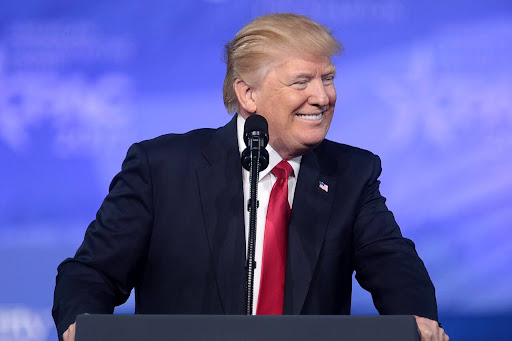
London’s FTSE 100 index experienced one of its most volatile sessions in months Monday as President Donald Trump’s unexpected announcement of continued diplomatic engagement with Iran whipsawed global markets. The index plunged nearly 1.5% in early trading on fears of imminent US strikes against Iranian energy facilities before recovering as Trump revealed that productive talks would continue for at least five more days. The session illustrated how sensitive global markets have become to developments in the US-Iran standoff.
The underlying crisis involves Iran’s effective closure of the Strait of Hormuz, a vital shipping lane that carries approximately 20% of global oil and liquefied natural gas supplies. This blockade has produced what the International Energy Agency describes as an energy shock of historic proportions, rivaling the combined impact of the 1970s oil crises and the disruption from Russia’s invasion of Ukraine. Crude oil prices had climbed to $119.50 per barrel earlier this month before Monday’s reversal. Goldman Sachs had raised its forecast for Brent crude to average $85 per barrel this year, up from $77, reflecting expectations of sustained supply constraints.
While the FTSE 100 ultimately closed down 0.2%, continental European markets finished solidly higher. Germany’s Dax gained 1.2%, Spain’s Ibex rose 1%, and France’s Cac 40 advanced 0.8%. American indices were trading more than 1% higher by early afternoon. Currency markets reflected reduced risk aversion, with the US dollar falling 0.4% against a basket of major currencies as traders unwound safe-haven positions accumulated during the crisis.
Energy commodity prices declined sharply on the reduced threat of military escalation. Brent crude oil fell 10% to $101 per barrel, giving back much of its recent geopolitical premium. UK natural gas futures dropped 6% to 142 pence per therm. Shares in oil majors BP and Shell declined more than 3% as investors reassessed the outlook for elevated energy prices. Gold also weakened, falling 2.5% to $4,388 per ounce as improved risk sentiment and expectations of more moderate inflation reduced demand for the non-yielding metal.
The diplomatic window creates opportunity but significant risks persist. Tehran has warned that American military action would trigger devastating attacks on critical infrastructure throughout the Middle East, including essential water systems. British Prime Minister Keir Starmer gathered cabinet ministers and Bank of England Governor Andrew Bailey for emergency Cobra discussions on economic contingencies and energy security. UK government bond yields improved modestly, with the 10-year rate falling to 4.95% from the 5% level reached last week for the first time since the 2008 financial crisis. Pressure continues to build on the British government to announce support measures for households facing expected 20% increases in energy bills when current price caps expire at the end of June.