
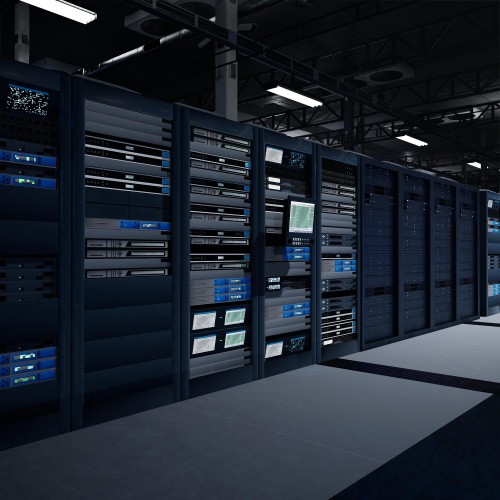
China has reclaimed the pinnacle of global supercomputing with the introduction of its LineShine system, reclaiming the top spot after several years. This accomplishment underscores China’s advancements in homegrown computing technology. However, experts caution that this development doesn’t equate to China surpassing the United States in artificial intelligence prowess.
Located at the National Supercomputing Centre in Shenzhen, the LineShine supercomputer is powered by domestically developed chips, enabling it to outperform the former leading US system. Despite this, analysts emphasize that traditional supercomputer rankings do not fully capture performance capabilities in contemporary AI workloads. These rankings are primarily focused on machines intended for scientific computing tasks, while the most powerful AI systems worldwide, often developed by major technology companies, are excluded.
Specialists in the field have pointed out that cutting-edge AI computing relies significantly on specialized chips and expansive data center infrastructures. China’s resurgence to the top of the supercomputer list signals its efforts to bolster self-sufficiency in chip design and computing technology. Nonetheless, access to advanced AI chips remains a hurdle for China’s AI ambitions.
The ongoing competition in advanced computing between China and the United States continues to intensify, with both nations investing significantly in artificial intelligence, quantum technology, and emerging computing systems. China’s latest achievement highlights its commitment to enhancing its technological capabilities, while restrictions on AI chip access present ongoing challenges.