
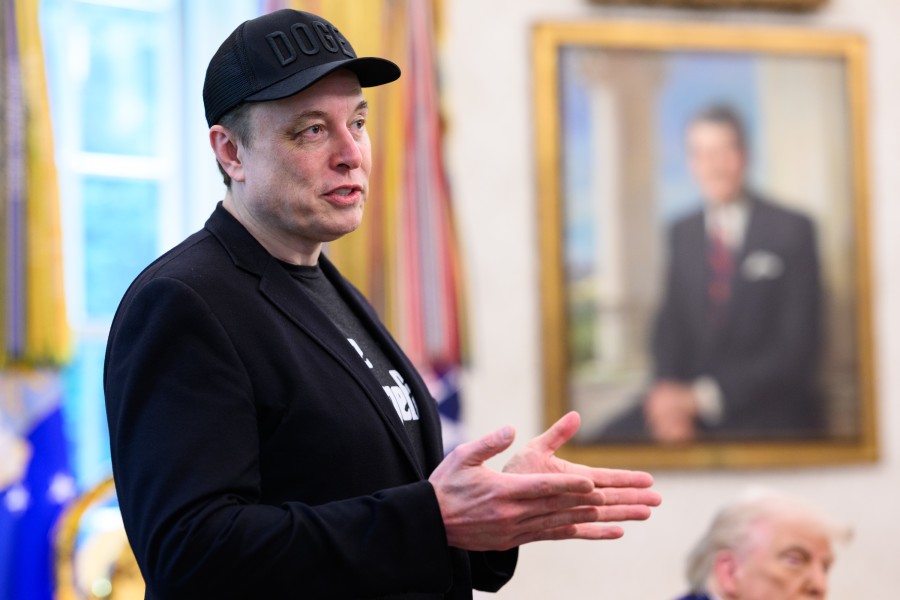
Elon Musk’s fortune has dipped below the $1 trillion mark as a result of declining stock values for Tesla and SpaceX, though he retains his position as the wealthiest person globally. This setback follows his historic achievement of becoming the first trillionaire, a milestone largely driven by the strong stock market debut of SpaceX, which significantly boosted the value of his holdings. The upswing in the company’s market performance had previously propelled Musk’s wealth over the trillion-dollar threshold, with much of it tied to his stakes in his businesses.
The recent downturn in Musk’s net worth can be attributed to a broader decline in the technology market, affecting major companies, including those in the artificial intelligence sector. Concerns over rising interest rates, market instability, and potential slowdowns in AI investments have contributed to the drop in share prices. These market dynamics have had a swift impact on Musk’s estimated wealth, given that it is predominantly linked to the value of company stocks and equity.
The volatility of stock markets means that Musk’s financial standing could quickly rebound should Tesla or SpaceX shares recover. Such a recovery could potentially elevate his net worth back above the trillion-dollar level. Despite the current dip, Musk’s wealth remains far ahead of other billionaires, as it continues to be fueled by the performance and growth prospects of his companies.
Musk’s financial situation underscores the fluctuating nature of wealth tied to stock market performance, where changes in market sentiment and economic factors can lead to significant shifts in net worth. His position, however, remains robust, driven by the ongoing success and future potential of Tesla and SpaceX, even as he navigates the challenges posed by the current economic environment.