
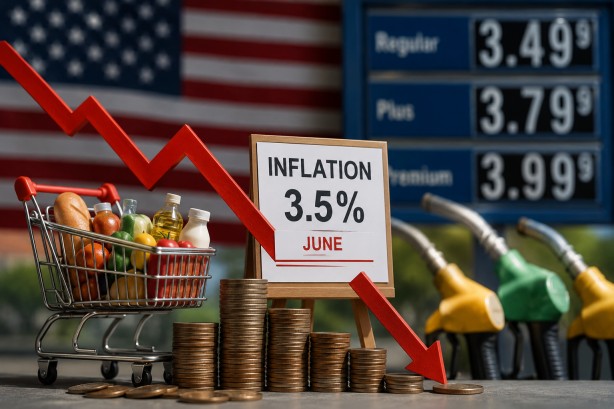
In June, the United States experienced a slowdown in annual inflation, which eased to 3.5%, largely due to a temporary decrease in energy prices that helped reduce overall consumer expenses. The latest Consumer Price Index (CPI) data highlights this decline, showing a 0.8% drop in prices compared to May. The primary factor for this monthly decrease was the reduction in gasoline and fuel costs, which helped balance out the rising costs in food, housing, utilities, and other daily necessities.
Core inflation, a metric closely watched by the Federal Reserve that excludes the more volatile food and energy prices, also showed signs of easing, decreasing to 2.6% on an annual basis. Despite this positive development, the recent relief in inflation rates might not last, as global oil prices have been climbing again due to renewed tensions in the Middle East. This increase in crude oil prices is already affecting consumers at the pump and raising operational costs for industries like aviation and transportation.
The Federal Reserve is preparing to evaluate the latest inflation figures in conjunction with labor market conditions during its upcoming policy meeting later this month. Despite the moderation in inflation rates, the current levels remain above the central bank’s long-term target of 2%, creating uncertainty about when any adjustments to interest rates might occur.
While the recent dip in inflation is a welcome change, the potential for rising energy costs could quickly alter the economic landscape. The situation calls for careful monitoring and consideration by policymakers, who must balance the need to control inflation with the potential impacts on economic growth and consumer spending.